Skip to content

COMPLIMENTARY SHIPPING ON ORDERS $99+

  • SHOP
    • SHOP
      • Face + Body
      • Hair
      • Bestsellers
      • Shop All
    • ROUTINE
      • Cleansers + Moisturizers
      • Serums + Treatments
      • Facial Masks
      • Supplements
    • COLLECTIONS
      • Pro Age
      • Essentials
      • GLO Skin Series
      • GRO Hair Series
      • Procedure Care
    • DISCOVER
      • The Science
      • CellSync Technology
      • Ingredients
      • The Results
      • FAQ
    • THE FALL RESET
      Keep Your Glow Going
    • ONLY1™ SERUM 
      Firming + Renewing Growth Factor Serum
  • SCIENCE
  • BY DESIGN
  • ABOUT
  • JOURNAL

CELLORA

  • SCIENCE
  • BY DESIGN
  • ABOUT
  • JOURNAL

CELLORA

Cart

Bestsellers

Serums + Treatments

Face + Body

Hair

Pro Age

ONLY1™ Serum

Procedure Care

GLO Skin Series

GRO Hair Series

Facial Masks

Supplements

Cleansers + Moisturizers

Pink Serum

The Difference Between Hydrated Skin and Truly Supported Skin

August 5, 2026

HYDRATION IS ESSENTIAL, BUT IT IS NOT THE WHOLE STORY

Hydrated skin contains sufficient water in its outer layers. That water contributes to softness, suppleness, smoothness, and the way light reflects from the skin surface.

But water retention depends on more than adding moisture. Natural moisturizing factors help hold water inside the stratum corneum, while the lipid organization of the barrier helps limit excessive water loss.
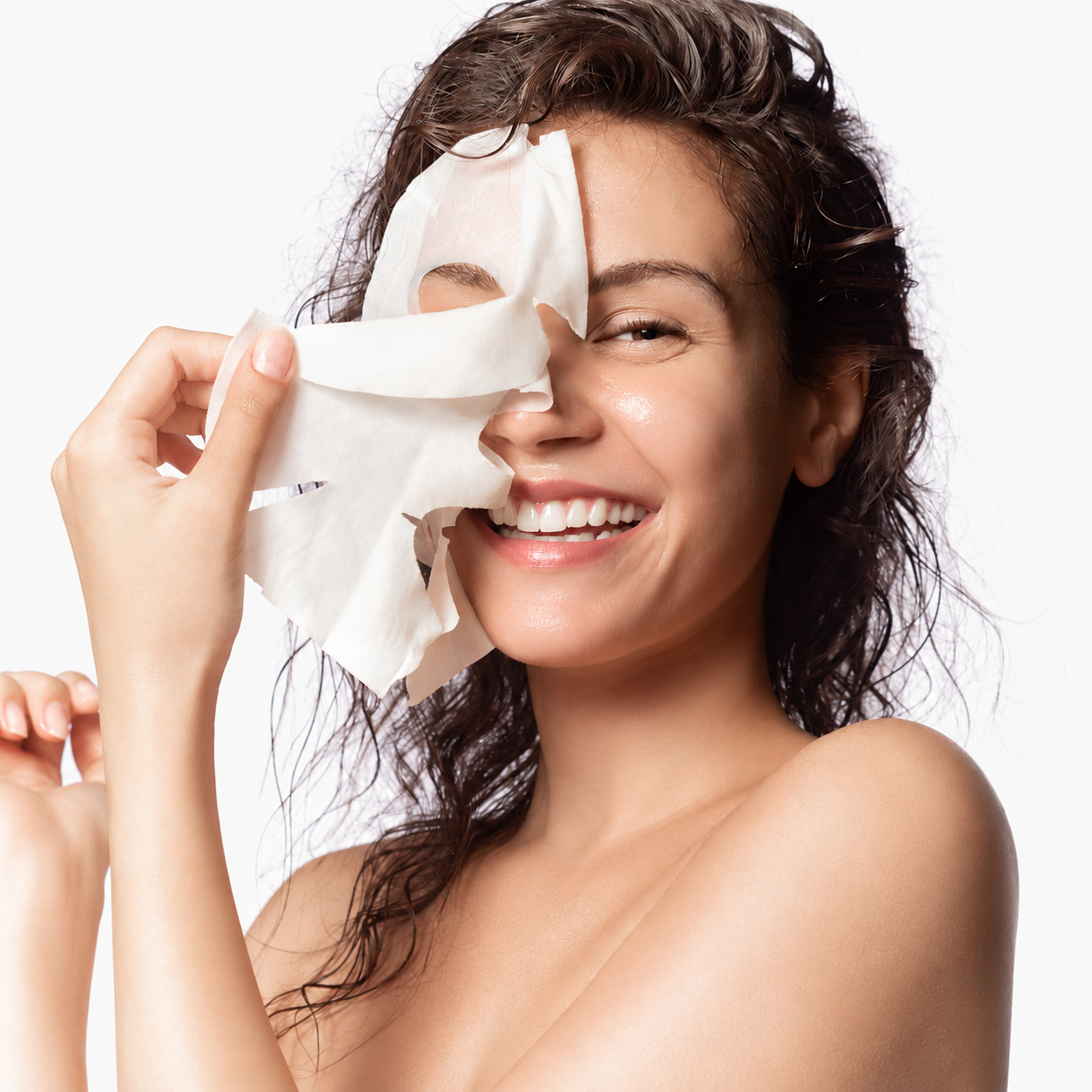
WHY SKIN CAN FEEL HYDRATED AND STILL NEED MORE

A lightweight serum can make skin feel immediately refreshed. A humectant can attract water. Both can be excellent parts of a routine. But if the rest of the routine is overly stripping—or the skin lacks enough emollient and barrier-supportive care—that comfortable feeling may not last.

This is where the difference between hydrating skin and supporting skin becomes useful. Support means thinking about water, lipids, conditioning, texture, tolerability, and the overall environment you are creating at the skin surface.

THINK IN SYSTEMS, NOT SINGLE INGREDIENTS

There is no universal ingredient that does everything. Hyaluronic acid can contribute hydration. Niacinamide can play several supportive cosmetic roles. Peptides can be selected for specialized functions. Emollients affect softness and skin feel. Occlusive ingredients can help reduce moisture loss.

The formulation question is how those pieces work together. That is why the experience of a finished formula can be more meaningful than one headline ingredient or percentage on the front of the bottle.

Hydration gives skin water. Thoughtful skincare helps create an environment in which that hydration—and the appearance that comes with it—can be better supported.

←Previous: Niacinamide: The Quiet Workhorse of Modern Skincare
Next: Celebrating Skin in Its Prime→

CELLORA

Sign up to get exclusive offers, early access to new releases and skincare tips:

Please enable JavaScript in your browser to complete this form.
Loading
  • Facebook
  • X
  • Instagram
  • YouTube

OUR COLLECTIONS

  • Pro Age
  • Essentials
  • GLO Skin Series
  • GRO Hair Series
  • Procedure Care

SUPPORT

  • My Account
  • Contact
  • Shipping Policy
  • Refund Policy
  • Unauthorized Sellers
  • Privacy Policy
  • Terms of Service

COMPANY

  • Science
  • About
  • Journal
  • FAQ
  • Ingredients
  • Affiliate Program
  • Accessibility Statement

© 2026 – CELLORA, LLC. All rights reserved.

Your cart (items: 0)

Products in cart

Product Details Total
Subtotal $0.00
Shipping and discounts calculated at checkout.
View my cart
Go to checkout

Your cart is currently empty!

Start shopping

Notifications